FAPESP Interdisciplinary School
Humanities, Social
Sciences and Arts
An intensive 5-day residential scientific immersion gathering outstanding postdoctoral researchers and world-renowned keynote scientists at historic Hotel Fazenda Dona Carolina.
FAPESP SCHOOLS 2026
Keynote Conferences
Plenary talks and high-level tutorials led by world-renowned scientists.
Global Networking
Connect and exchange ideas with postdoctoral fellows from Brazil and abroad.
Mentoring & Posters
Showcase research posters and engage in career-defining roundtables.
About The School
FAPESP Interdisciplinary
School 2026
Inspired by the prestigious Lindau Nobel Laureate Meetings and the São Paulo School of Advanced Science (ESPCA), the FAPESP Interdisciplinary School Humanities, Social Sciences and Arts (EHCSA 2026) offers a unique 5-day residential scientific immersion.
The program brings together postdoctoral researchers and world-renowned scientists to foster high-impact interdisciplinary collaboration across Humanities, Social Sciences and Arts.
Featured Speaker
Meet Our World-Leading Speakers
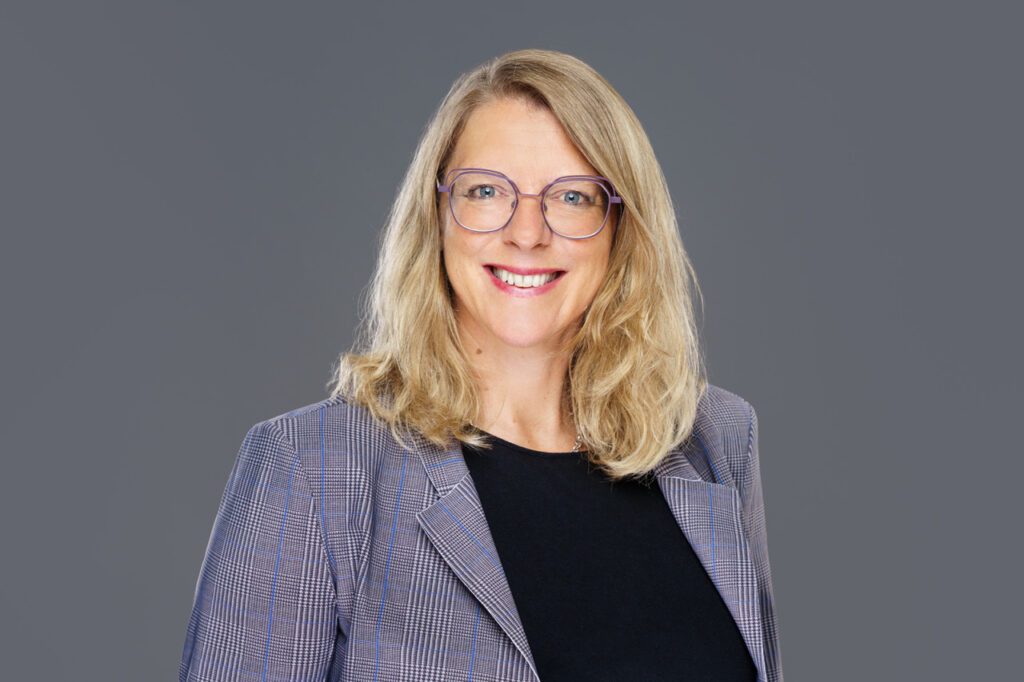
Andrea Gremels
Frankfurt Universität
Wifredo Lam’s Transcultural Surrealism and the Haunting Memory of Enslavement in the Caribbean
The Cuban-born artist Wifredo Lam was a central figure of transatlantic Surrealism in the first half of the twentieth century. This lecture explores the concept of transculturality at the core of his art, rooted in his African, European, and Chinese descent as well as in his cosmopolitan biography and exchanges within the surrealist network linking Madrid, Paris, Havana, and the United States. I examine the transcultural surrealism of the paintings Lam created in the 1940s after returning to Cuba during World War II, focusing on his engagement with the symbolic worlds of Afro-Caribbean religious practices such as Haitian Vodou and Cuban Santería. In particular, I consider how Lam’s transcultural art confronts the haunting memory of the transatlantic slave trade in the Caribbean and how his surrealist approach to this colonial trauma resonated among his contemporaries across the Americas. Finally, through his collaborative projects with Aimé Césaire and Joyce Mansour from the 1960s onward, the lecture shows how his work invites an understanding of surrealism’s “world arts” beyond the framework of national art and literary history.
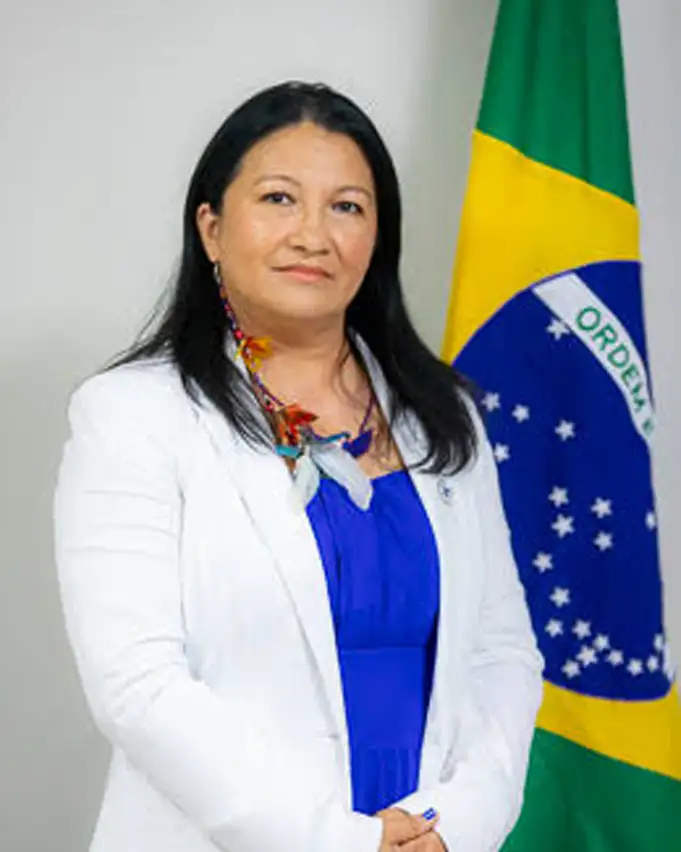
Eliene Rodrigues Putira Sacuena
Deputy Director of Indigenous Health, Ministry of Health (Brazil) — Universidade Federal do Pará
Saúde Indígena: Com o Caderno e a Caneta na Mão Trazendo os Determinantes Sociais, Epidemiologia, Genética/Ancestralidades e os Povos Indígenas na Pandemia da COVID-19
This conference aims to investigate the approach on genetic factors that may have contributed to the milder clinical outcomes of COVID-19 in Brazilian indigenous populations. 263 Indigenous from the Arawet´e, Kararao, ˆ Parakan˜ a, Xikrin do Bacaj´ a, Kayapo ´ and Munduruku peoples were analyzed, 55.2% women, ages ranging from 10 to 95 years (average 49.5 ± 20.7). Variants in genes involved in the entry of SARS-CoV-2 into the host cell (ACE1 rs1799752 I/D, ACE2 rs2285666 C/T, ACE2 rs73635825 A/G and TMPRSS2 rs123297605 C/T), were genotyped in indigenous peoples from the Brazilian Amazon, treated during the SARS-CoV-2 pandemic between 2020 and 2021. The distribution of genotypes did not show any association with the presence or absence of IgG antibodies. Additionally, the influence of genetic variations on the severity of the disease was not examined extensively because a significant number of indigenous individuals experienced the disease with either mild symptoms or no symptoms. It is worth noting that the frequencies of risk alleles were found to be lower in Indigenous populations compared to both continental populations and Brazilians. Indigenous Brazilian Amazon people exhibited an ethnic-specific genetic profile that may be associated with a milder disease, which could explain the unexpected response they demonstrated to COVID-19, being less impacted than Brazilians.
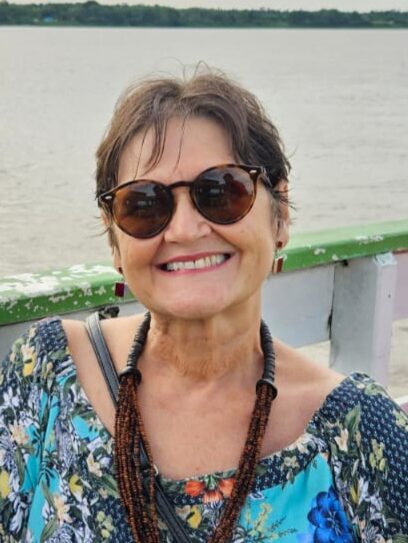
Maria de Fátima Gomes Costa
Universidade Federal do Mato Grosso
Scientific Journeys and Local Knowledge
During the first half of the nineteenth century, Brazil was visited by scholars and naturalist collectors from various parts of Europe. Whether traveling as members of scientific expeditions or on individual journeys, these visitors sought to collect specimens of fauna, flora, and minerals, as well as objects of material culture and other items, in order to assemble collections for shipment to scientific institutions across the Atlantic. To accomplish this task, they had to venture into the country's interior, traveling overland or by river to regions that were largely unknown and, in many cases, still unmapped. Under such conditions, scientific travel—regardless of the route taken—was only possible through the support of local populations and the use of their knowledge. It was only with the assistance and collaboration of Africans and Afro-Brazilians, Indigenous peoples, and people of mixed ancestry—whether enslaved, freed, or free—that these visitors were able to travel and carry out their collecting activities. Organizing overland or riverine caravans required considerable expertise, from selecting pack animals or acquiring canoes to hiring muleteers, drovers, guides, pilots, bowmen, and rowers, among many other specialists. Yet their contributions extended far beyond logistics. These individuals mediated encounters, served as interpreters of languages and customs, and facilitated communication between travelers and local communities. Their empirical knowledge of the natural environment was indispensable in identifying where to find particular specimens and materials, as well as in providing the techniques needed to construct traps for hunting and fishing. Drawing on travel accounts and documentary sources left by these travelers, this lecture examines how the participation of these local agents—figures who have often remained invisible in the published accounts and outcomes of scientific expeditions—was fundamental to the success of scientific travel, the creation of the remarkable scientific collections now housed in major museums and academies, and, more broadly, the development of European scientific knowledge.
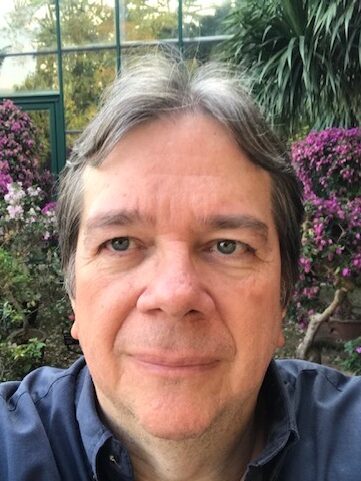
José Augusto Valladares Padua
Universidade Federal do Rio de Janeiro
Brazil in the History of Anthropocene: dilemmas and perspectives
Although the proposal to recognize the Anthropocene as a new epoch in the Earth's geological stratigraphy was not adopted by the International Union of Geological Sciences, the concept has gained increasing prominence as a historical framework in both public debate and scholarly research across a wide range of disciplines. The Anthropocene has filled an important conceptual gap, as traditional notions such as modernity and globalization have proven insufficient to capture the full consequences of the dramatic expansion of humanity's impact on the planet, particularly since the mid-twentieth century. From the perspective of historical analysis, however, a significant challenge remains: the Anthropocene has been discussed primarily through global datasets and highly aggregated, abstract perspectives. Major historical transformations, however, do not occur simultaneously or uniformly across geographical space. Rather, they unfold in different ways in different places through the interaction of local and international actors and institutions. Moreover, these transformations are not automatic. They spread through both endogenous and exogenous processes, generating conflicts, connections, and forms of resistance. Historical analysis therefore makes it possible to examine the diverse geographical patterns of the socioeconomic and cultural processes that converged in the making of the Anthropocene as a global phenomenon. The challenge is to connect the macro perspective—the evolving relationship between humanity and the Earth system—with the varied and concrete realities of human societies, exploring how specific regions contributed unequally to the emergence of the Anthropocene and have experienced its consequences in different ways. This lecture proposes to examine Brazil as an exemplary case, exploring how the country participated in the different phases of the Anthropocene's history. It will also address the opportunities and challenges that Brazil faces in the future of the Anthropocene, taking into account both the country's globally significant ecological resources and the political and diplomatic dilemmas it confronts today.
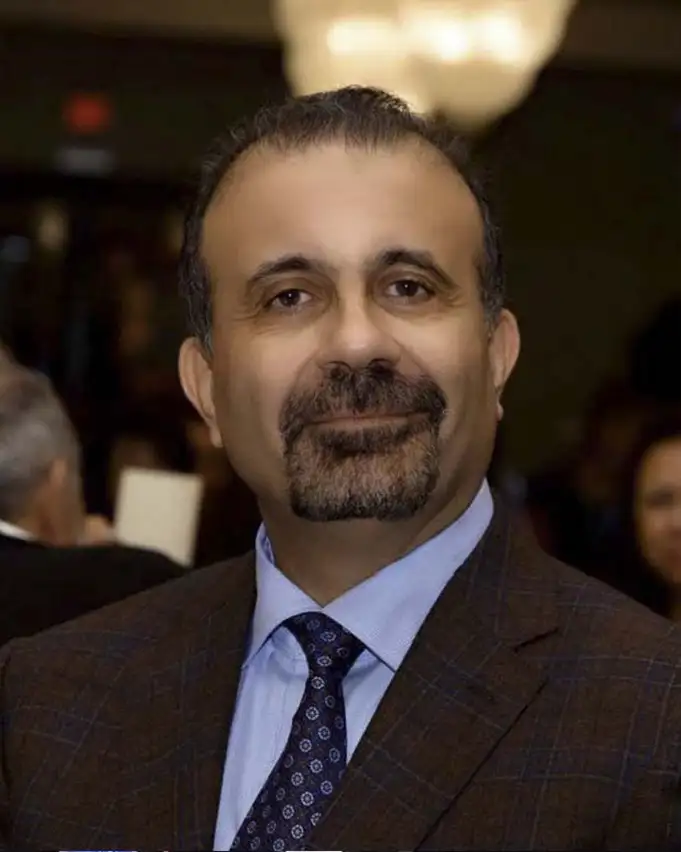
Joseph A. Massad
Columbia University
Settler-Colonialism and the Age of Independence
Notions of independence, self-determination, and national liberation have always been presented as anti-colonial progressive notions, when in fact they were invented by European colonial settlers. The lecture will examine the genealogy of these notions, the centrality of settler-colonialism to their emergence, and how they also came to be adopted by indigenous struggles against colonialism and settler-colonialism.

Oswaldo Truzzi
Universidade Federal de São Carlos
The multidisciplinary field of Migration Studies: relevance and research perspectives on the topic
Over the decades, both in Brazil and abroad, the field of Migration Studies has established itself as a quintessentially multidisciplinary arena, bringing together academic contributions from diverse disciplinary traditions. This lecture aims to explore these various contributions—guided by distinct research approaches—and to highlight the topic´s relevance, both past and present.
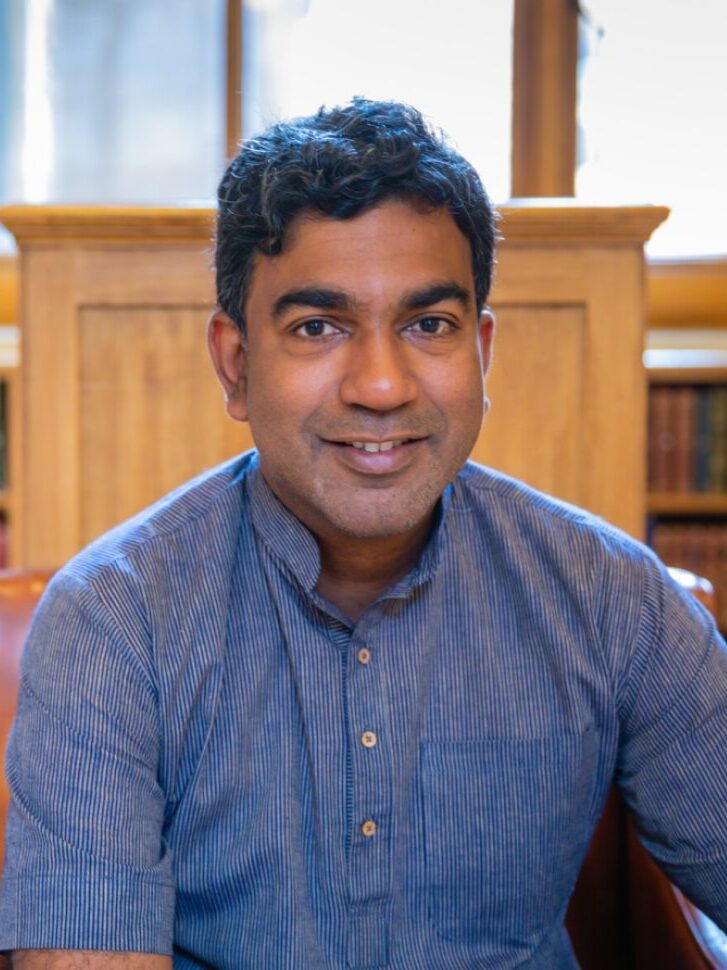
Sujit Sivasundarum
University of Cambridge
The Indian Ocean and Environmental Fragments
The Indian Ocean's history brings together the richest diversity of human exchanges, migrations, and cultural patterns. Though it trails behind the other two major oceans by way of its size, it is estimated that around one third of the global population lives facing this vast sea. In order to provide some new insights into the environmental history of this busy maritime highway, this lecture works from history, outwards to other disciplines. It also concentrates on various environmental 'bits and pieces', which I call fragmentary or elemental, in order to think through how humans and material from nature, including various species, interacted across this sea over the long-term. Here I focus on four of the 'bits and pieces' that I'm currently working on: coir rope, cowrie shell, ambergris and sea cucumber. Their persistence over the long-term despite their smallness or slipperiness; their durability when worked up and cast as technique in human hands; their ability to build up to structures like exploration, religiosity, capitalism, imperialism or globalisation; the way in which they create material composites and symbolic associations with other materials but also critically here in what I will say with the human frame itself; all of this means that there is a case for further scrutiny of this class of stuff which is often misplaced in historical narration.
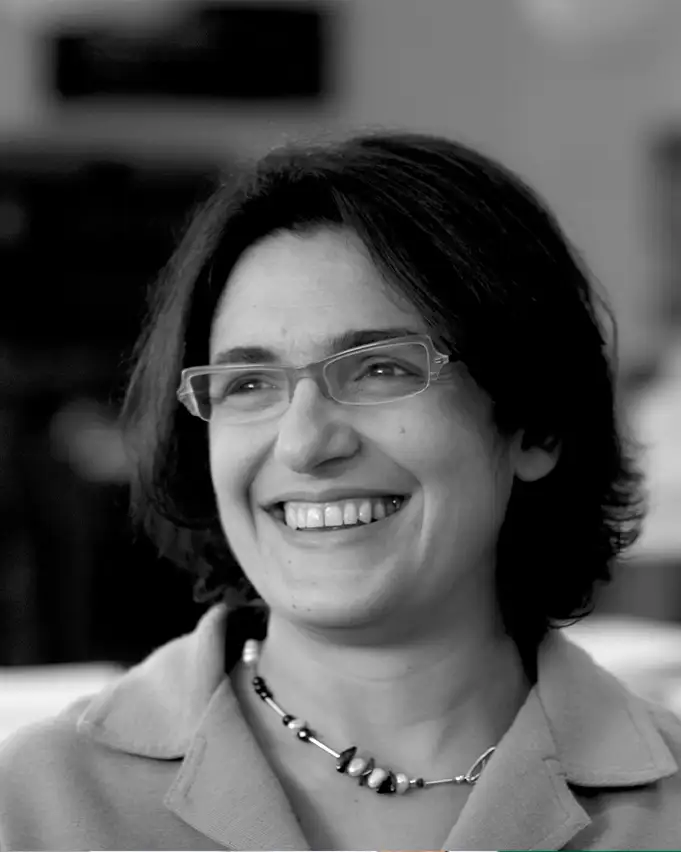
Esther Império Hamburger
Issues Regarding AI and Audiovisual Media
Artificial intelligence has been transforming the audiovisual sector in Brazil and worldwide in multiple ways, affecting different stages of the processes of creation, production, distribution, and reception of audiovisual works. Building upon the widespread availability of devices and software capable of capturing, editing, and distributing audiovisual content, AI has expanded the possibilities for image and sound generation, screenplay development, the creation of interactive works, and the analysis of audience behavior on streaming platforms, influencing viewers' choices, habits, and patterns of media consumption. This scenario reveals a paradox: while devices, software, and platforms that facilitate audiovisual production and circulation have become increasingly accessible, the technological infrastructure that supports AI remains concentrated in the hands of a small number of major corporations. At the same time, there is a growing disparity between the widespread availability of affordable tools for image capture and editing and the significant computational resources required to generate images and sounds using artificial intelligence. Another challenge lies in the limited understanding of how algorithms that analyze audience preferences and recommend audiovisual content influence the development, selection, funding, and distribution of audiovisual projects. How can we refine methods of film analysis capable of identifying recurring narrative and aesthetic patterns, as well as detecting possible constraints on audiovisual innovation resulting from the growing influence of algorithmic systems? A further area of inquiry concerns the ways in which AI-driven digital platforms are reshaping the boundaries between public and private spaces. To what extent do these technologies introduce new forms of social regulation? How can democratic models of governance be established for a technology that has the potential to foster significant advances across multiple fields of knowledge while also narrowing access to cultural and creative repertoires through new forms of intellectual property, technological concentration, and national or sectoral barriers? This conference seeks to explore these and other emerging questions within a dynamic field characterized by rapid technological change and the continual redefinition of its cultural, economic, political, and aesthetic parameters. The presentation will include artistic examples and ongoing research projects developed at the Museum of Contemporary Art of the University of São Paulo (MAC-USP) and the School of Communications and Arts of the University of São Paulo (ECA-USP).
APPLICATIONS OPEN
Applications Are Now Open
Leave your email to receive immediate notification when the official call opens.
Complete the application form and submit your research abstract and academic credentials.
The participants are selected by an automated random draw ensuring gender, racial, and regional balance.
Drawn candidates must confirm attendance to secure their slot, hotel room, and full FAPESP fellowship.
What You Will Need to Fill in the Form:
- Personal & Contact Details: Full name, email, phone, residential address, and ID document (CPF or Passport).
- Academic & Institutional Info: Current institution, laboratory, supervisor name, research area description, and CV/Lattes link.
- Research Abstract (in English): Poster title, co-authors (if any), and scientific abstract of up to 200 words.
- Required Uploads (PDF / Photo): Proof of postdoctoral fellowship, statement of interest (1 page), proof of English proficiency, and personal photo.
Make sure you have your PDF files and abstract text ready before starting.
Immersion & Accommodation
Historic Hotel Fazenda
Dona Carolina
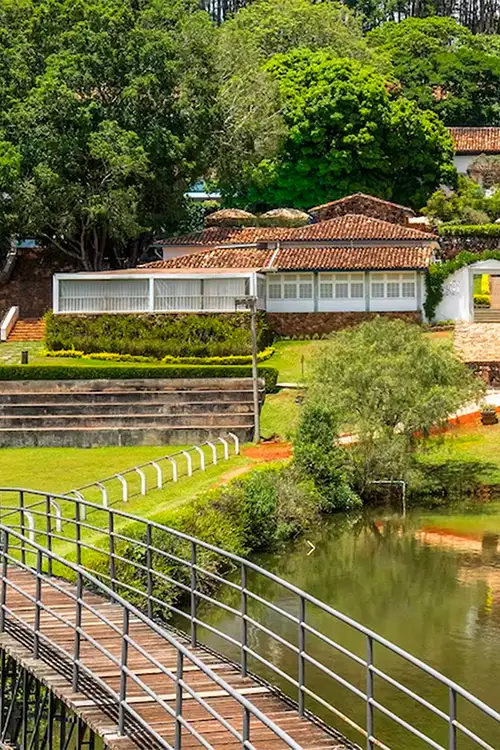
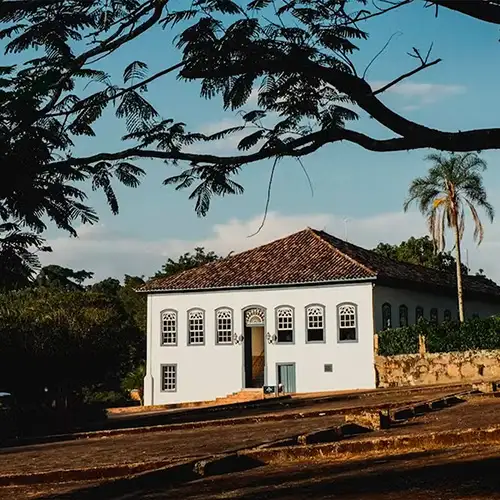
From 1993 onwards, her descendants, admirers of the region’s exuberant nature, decided to share the farm’s charms with the public by transforming it into a historic hotel. The entire property was carefully restored to combine 19th-century colonial charm with modern convention infrastructure, full comfort, and personalized hospitality.
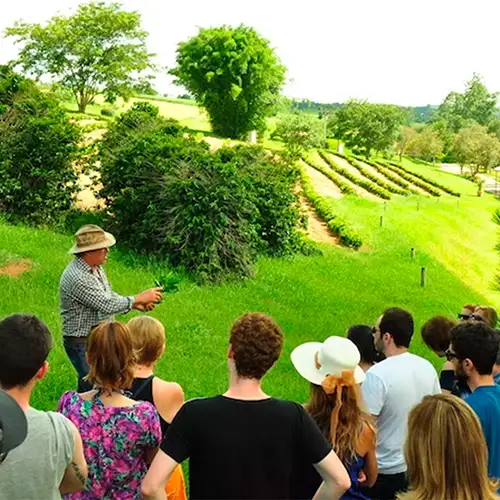
Framed by 100 hectares of preserved Atlantic Forest, this authentic Brazilian colonial complex offers the ideal atmosphere for an intensive 5-day scientific immersion, promoting continuous networking and creative collaboration between postdoctoral fellows and keynote scientists.
Frequently Asked Questions
Got Questions? We’ve Got Answers
The 60 postdoctoral participants will be selected by random draw using an automated computerized system, considering gender, racial balance, home geographic location, and affiliation with FAPESP or other research funding agencies.
An equitable distribution between FAPESP and non-FAPESP fellows, as well as between São Paulo residents and researchers from other regions, will be strictly sought.
A total of 60 postdoctoral researchers will be competitively selected. Participation is fully funded by FAPESP, which covers:
- Accommodation in shared double rooms at Historic Hotel Fazenda Dona Carolina;
- Full board (breakfast, lunch, dinner, and coffee breaks);
- Official ground transportation/transfers (São Paulo / Campinas);
- All academic materials and event activities.
English is the official and exclusive language of the entire event. All plenary lectures, tutorials, poster sessions, mentoring roundtables, and informal discussions will be conducted entirely in English without simultaneous translation. Participants must be proficient in English.
Yes, absolutely mandatory with no exceptions. All 60 selected postdoctoral fellows must submit an abstract and present a scientific poster detailing their current research. Both the printed poster and the oral presentation must be delivered in English.
No, companions or guests are strictly not allowed. Due to the residential scientific immersion format and the limited number of rooms, the hotel will be 100% reserved exclusively for selected postdoctoral participants, keynote speakers, and the organizing committee.
No, participation as an observer or listener is not permitted. The School is strictly designed as an active, full-time residential immersion exclusively for the 60 competitively selected postdoctoral researchers and keynote speakers. All participants must be actively involved in all lectures, mentoring roundtables, and poster sessions throughout the entire 5 days.
No. To foster networking and maximize interaction among participants:
- All selected postdoctoral fellows will be accommodated in shared double (twin) rooms, organized by the committee (segregated by gender);
- Single/individual rooms are not available;
- Staying in another hotel is not permitted, as the event is a full residential immersion requiring all participants to remain on-site at Historic Hotel Fazenda Dona Carolina for all activities, meals, and evening discussions.